
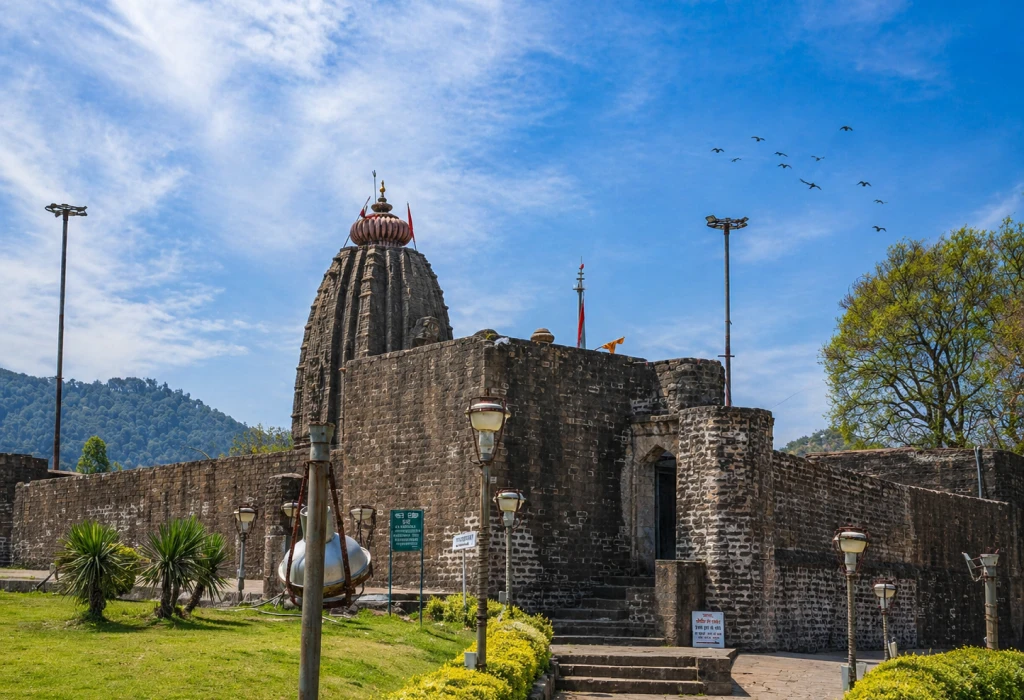

You have landed on the correct page if you are searching for Baijnath Temple, seeking information about where is Baijnath Temple, and intending to make your first trip to baijnath dham shivling. The below mentioned article contains everything you might require as an all-inclusive travel guide prepared only for the first timers.
In this article, you will come across various information related to Baijnath Temple including timings, aarti schedule, the history of baba baijnath dham, the importance of baijnath dham shivling and other travel related facts. This guide makes your task much simpler, more convenient, and more humane by using clear and understandable language that won’t confuse you like other articles.
Baijnath is not just a temple but an entire package of spirituality, history, and nature altogether. Thus, you can get through the whole process in one single article.
Table of Contents
Introduction to Baijnath Temple
Located in the lap of Dhauladhar ranges, Baijnath Temple of Himachal Pradesh has attracted thousands of devotees every year for centuries now.
This ancient and beautifully designed temple is considered one of the most spiritual places of worship in all of northern India. As a first-time visitor, it’s important that you know what to expect.
What Makes Baijnath Dham Unique
There are three reasons why Baijnath Dham is considered unique compared to other Shiva temples of India.
First, its antiquity. Baijnath Temple of Himachal Pradesh was built in 1204 AD by two local businessmen, Ahuka and Manyuka. However, as per some inscriptions present on the walls of the temple, there had been a Shiva shrine in the exact place long before that.
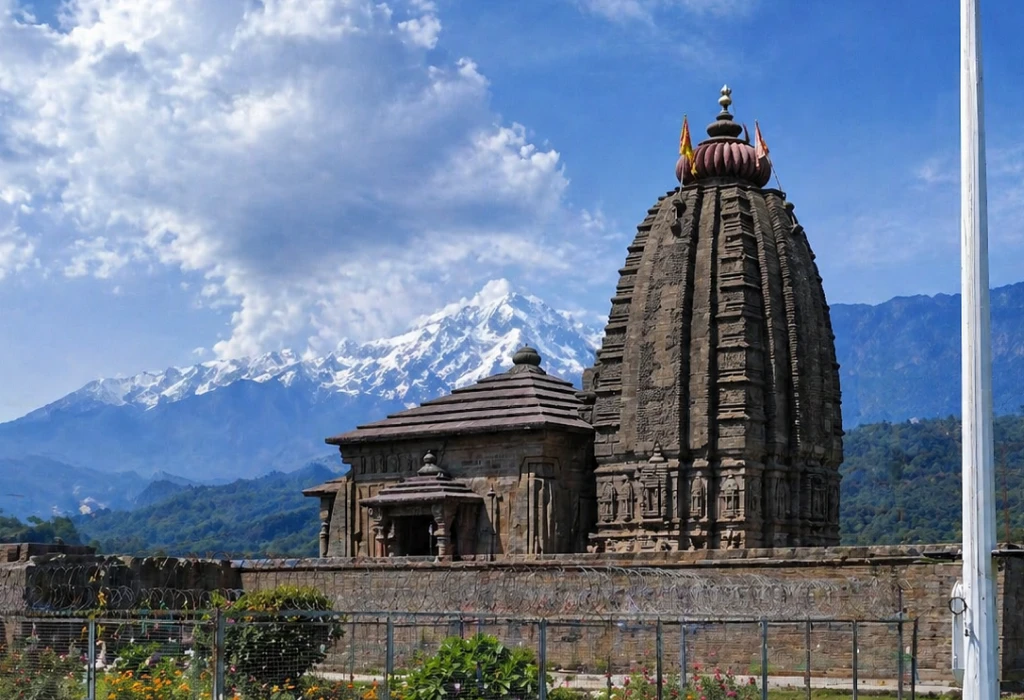
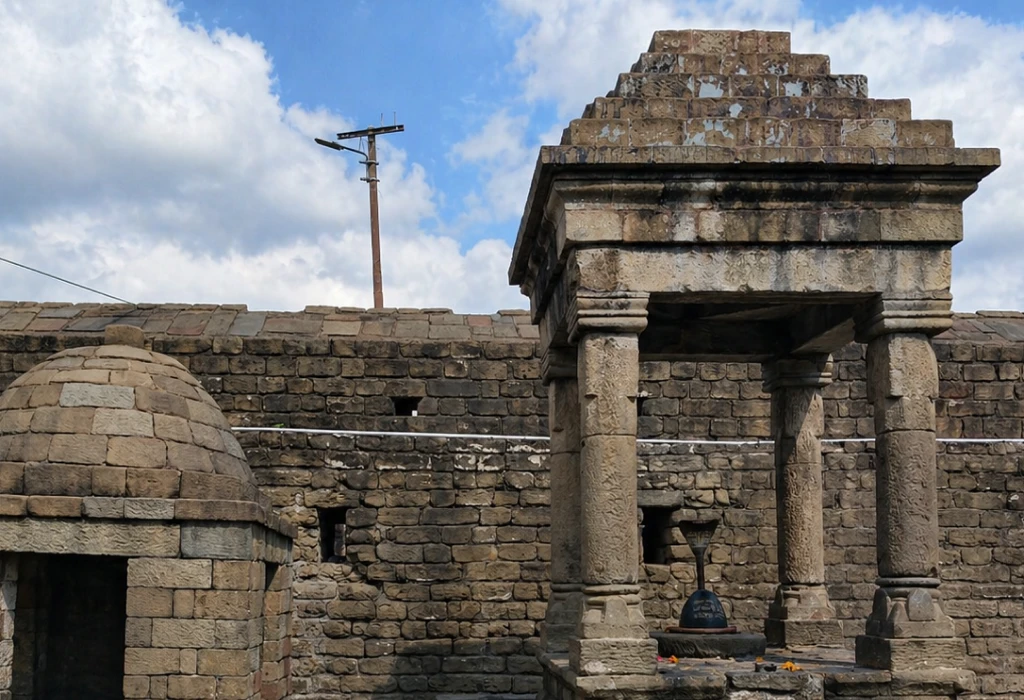
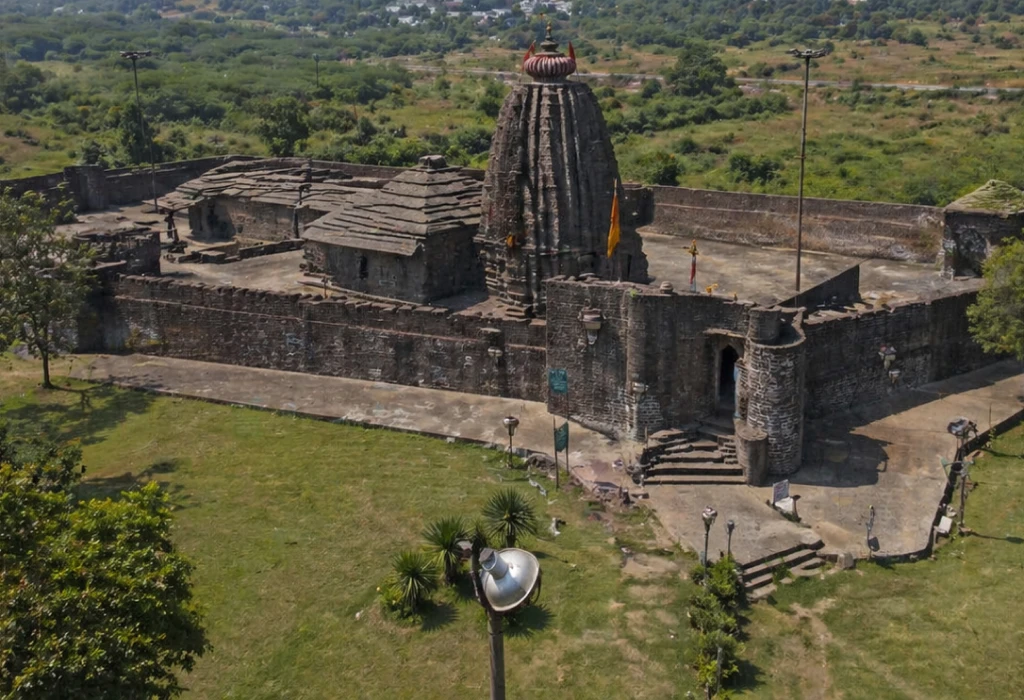
Second, its beautiful architecture. The temple has been built in Nagara architectural style, which comprises North Indian architecture featuring a tall curved tower called shikhara above the sanctum. There aren’t too many such temples surviving in Himalayan regions that have been preserved so well.
And thirdly, the Dussehra ban. Most of the Hindu temples celebrate Dussehra festivals, but Baijnath Dham doesn’t observe it, unlike the rest. And there is an interesting mythological reason behind it.
Understanding the Significance of Baba Baijnath Dham
Here, the presiding deity is none other than Lord Shiva, also known as Vaidyanath. In Sanskrit language, vaidya means physicians, and Nath means lord. This is how Baijnath name is derived from its original Vaidyanath, which means “The Lord of Physicians”.
It is believed that the presence of Lord Vaidyanath in this temple gives relief from all diseases, sufferings, and even cures pain and illness. It is because of this reason that Baijnath attracts a lot of visitors in search of spiritual and healing power of Lord Vaidyanath.
Is Baijnath Temple a Jyotirlinga? (Clarifying Common Confusion)
There is a famous query regarding this temple that needs to be answered here.
Contrary to popular belief, Baijnath Temple in Himachal Pradesh isn’t part of the 12 official Jyotirlingas of Lord Shiva.
According to scriptures of Hinduism, there are 12 Jyotirlinga Temples that have their own importance and special stories attached to them. The 12th Jyotirlinga is named Vaidyanath Jyotirlinga of Deogarh in Jharkhand.
However, a lot of devotees believe that Baijnath Kangra is also Jyotirlinga, considering its antiquity, powers of Shiv Lingam here, and mythological background associated with the temple.
In short, it may not fall within the top 12, but its spiritual significance is hard to ignore and respects in equal measure.
History of Baijnath Temple
Legends Behind Baijnath Dham Shivling
The legend behind the Baijnath Dham Shivling ranks among the most incredible of all times.
As mentioned before, the Puranas are the primary source for information in this regard. According to the legend, the Shivling here is one which was not made by humans. Rather, it was installed here by Ravana himself – the demon king of Lanka who happened to be a great devotee of Lord Shiva.
The Story Behind Baijnath — Ravana’s Devotion to Lord Shiva
The story goes like this:
Ravana had performed severe austerities on Mount Kailash. As an offering to Lord Shiva, Ravana offered his ten heads to the deity. Impressed with his devotion, Shiva bestowed immortality on Ravana and promised to go along with him to Lanka in the form of the Shivling.
However, the condition laid down by Shiva was that Ravana must carry the Shivling without keeping it on the ground at any point in time; if it touched the soil, then it would remain there forever.
Ravana left from Kailash for his journey. However, while traveling through a place known as Kiragrama (now Baijnath), Ravana became thirsty and therefore wanted to rest momentarily. The local cowherds, who according to popular belief were none other than Lord Vishnu himself, took the responsibility of carrying the Shivling for a while.
They promptly placed it on the ground, and it got stuck in its place in the form of Ardhanarishwar (androgynous representation of Lord Shiva and Parvati). And that’s how it still remains in Baijnath till date.
In reverence for the immense devotion of Ravana towards Shiva, the Dussehra celebrations are completely prohibited in this temple because they celebrate the death of Ravana.
Religious Significance of Baijnath Shivling
Spiritual Importance of Baijnath Dham
This Shivling is termed as the ‘Swayambhu’ (self-manifested Shivling, i.e., one that is not made by humans). Swayambhu Shivling is considered the most potent Shivling from a spiritual point of view. Mere darshan (spiritual vision) of the Swayambhu Shivling blesses people with the fruits which they normally have to achieve after years of penance.
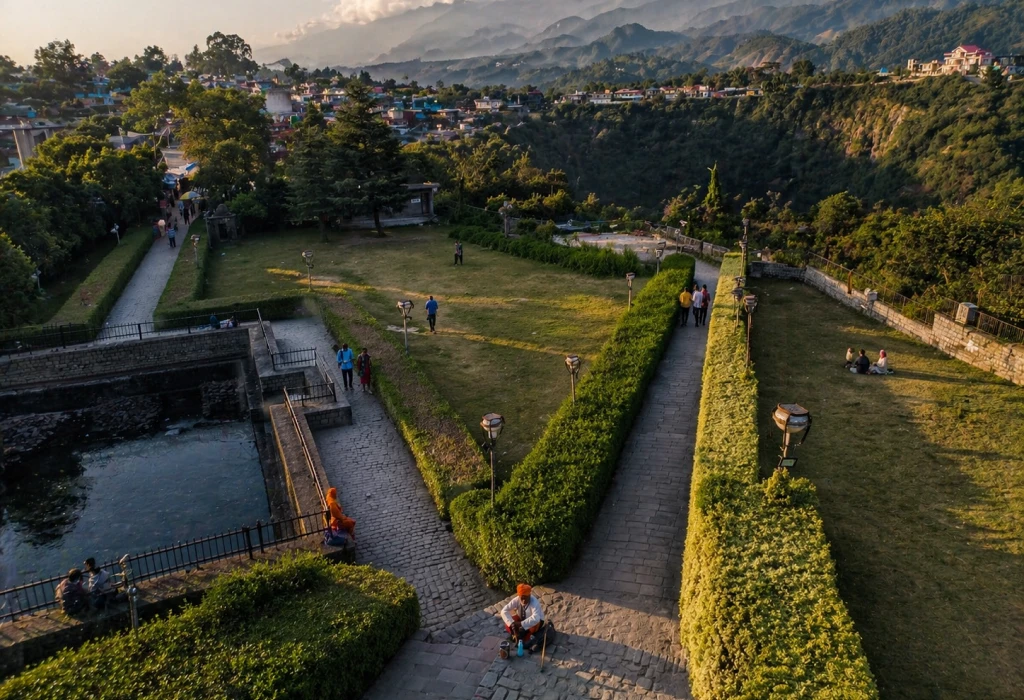
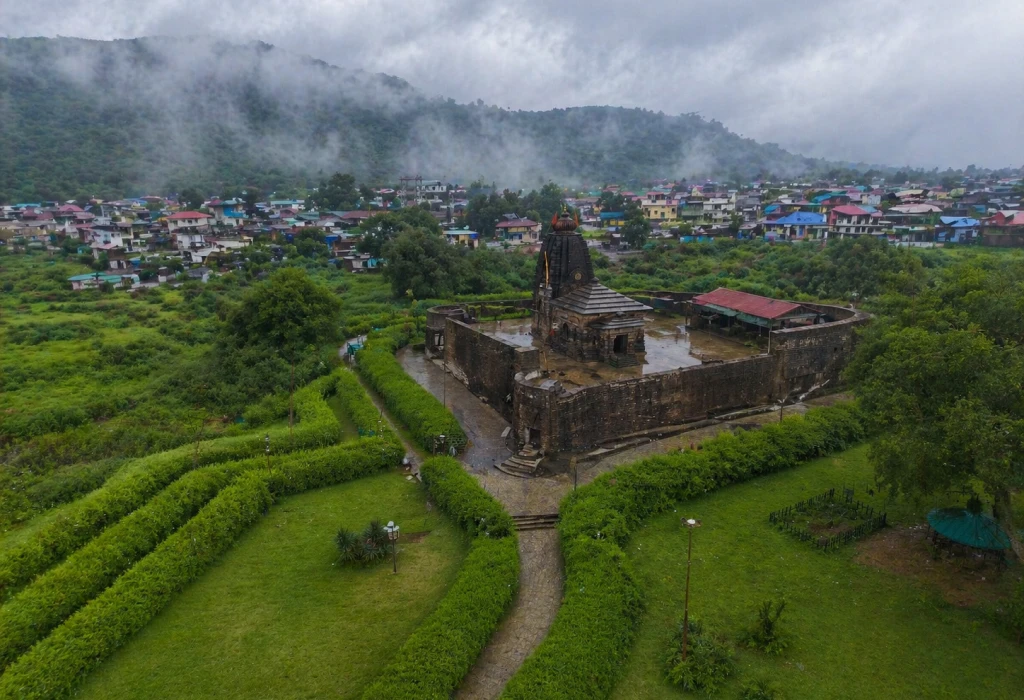
Apart from the Shivling itself, its location adds to its spiritual power in many ways. Nestled between Beas and Dhauladhar mountain ranges, Baijnath offers serenity like no other spiritual site in India.
Why Devotees Consider it a Sacred Healing Shrine
Due to the fact that Lord Vaidyanath is the presiding lord (healing aspect of Shiva), Baijnath Dham has been known since ancient times as a place of health and curing.
The rituals most performed here include Jalabhishek (bathing Shivling with water or milk) and Rudrabhishek (elaborate worship of the Shivling with specific ritual baths).
Baijnath Jyotirlinga vs Other Jyotirlingas
As mentioned above, Vaidyanath Jyotirlinga is located in Deoghar, Jharkhand. Nonetheless, there are devotees who consider the Shivling of Baijnath Kangra as one with equal importance due to its being a natural formation (Swayambhu) and the legend of Ravana.
It should be noted that both locations carry the same names (Vaidyanath) and are dedicated to healing powers. However, from an academic point of view, these two places are quite different from each other.
Festivals and Rituals Celebrated at Baba Baijnath Dham
The major celebrations at Baijnath Dham include:
- Mahashivratri – This is the most significant festival where the temple gates remain open all night, and tens of thousands of devotees come in from various parts of Himachal Pradesh and beyond. Rudrabhishek is performed on this occasion.
- Makar Sankranti – This festival is observed with great devotion by all.
- Vaisakha Sankranti – This festival is celebrated with special prayers and offerings made to the deities.
- Shravan – During this month, each Monday witnesses huge gathering due to special Jalabhishek.
Note: No celebration of Dussehra and Holi at this temple due to ancient traditions.
Baijnath Temple Timings, Aarti & Darshan Guide
Opening and Closing Timings
The temple follows a typical Himalayan shrine schedule, with a midday break for rituals and rest:
| Session | Timings |
| Morning Opening | 6:00 AM |
| Morning Darshan | 6:00 AM – 12:00 PM |
| Afternoon Break | 12:00 PM – 2:00 PM |
| Evening Darshan | 2:00 PM – 9:00 PM |
| Temple Closing | 9:00 PM |
There may be slight variations in timings according to special occasions and festivals; hence it’s better to confirm locally beforehand for such events.
Daily Aarti Schedule and Ritual Timings
- Mangla Aarti (Aarti early morning): At about 6:00 am when the temple opens.
- Shringar Aarti: Usually between 9:00 to 10:00 am
- Bhog Aarti: At about 12:00 noon (before break)
- Sandhyar Aarti (Aarti in the evening): Between 7:00 to 7:30 pm
- Shayan Aarti (Aarti late in the night): At about 8:30 to 9:00 pm before closure.
The Sandhya Aarti is the most beautiful one due to the sunset ambiance with the Himalayas surrounding. This one is not to be missed if you can attend only one Aarti here.
Best Time for Baijnath Temple Darshan (Seasonal Insights)
- March-June: Best climate, clearest views of Himalayas, less crowd. Perfect time to visit for the first time.
- October-February: Clearer air with colder weather and much less crowd. Very romantic time to visit but very cold during December-January.
- July-September: Green surroundings with plenty of rains; some disruptions due to rainfall on roads at times. Sawan month during July-August experiences maximum pilgrim gatherings.
- Maha Shivratri: Most spiritual yet crowded period.
How to Reach Baijnath Dham (Step-by-Step Travel Guide)
Location Overview and Distance from Major Cities
Baijnath Temple is situated in Baijnath, Kangra district, Himachal Pradesh – on the Pathankot-Manali National Highway 154.
| City | Distance (approx.) |
| Dharamshala | ~56 km |
| Palampur | ~16 km |
| Pathankot | ~130 km |
| Chandigarh | ~240 km |
| Delhi | ~510 km |
By Air, Train, and Road Options
Step 1: Choosing the Nearest Airport or Railway Station
By Air: Gaggal Airport (also known as Kangra Airport) in Dharamshala is about 56 km from Baijnath. Airlines like Indigo and Air India offer flights from Delhi to dahramshala on a daily basis. After arriving at the airport, take a taxi straight to Baijnath (approximate cost of ₹1,200 – ₹1,800).
By Train: Two railway options exist:
- Paprola Railway Station (narrow gauge, Pathankot–Jogindernagar line) — only 3 km from Baijnath. You can take the toy train through the beautiful valleys of Kangra to reach Baijnath.
- Amb Andaura Railway Station (broad gauge) — approx. 100 km from Baijnath. It connects to Delhi and Chandigarh. Take a bus or taxi from here.
By Road: The total distance between Delhi and Baijnath via NH44 and NH154 is about 10-12 hours by road. Volvo buses from Delhi’s ISBT Kashmiri Gate and Chandigarh’s ISBT travel all the way to Palampur, the nearest city (16 km from Baijnath).
Step 2: Local Transport to Baijnath Temple
Palampur offers frequent local buses and shared auto-taxis to Baijnath town (around 30-40 mins). Dharamshala also offers buses and taxis to Baijnath. If you are using the toy train from Pathankot-Jogindernagar to reach Baijnath, then Paprola station is just 3 km from the temple.
Baijnath Dham Yatra Planning Tips
- Best route from Delhi: Delhi → Pathankot (overnight train) → Paprola (toy train) → Baijnath. This would be more relaxing than the drive and provide an adventurous journey.
- Combine it with other places of interest: The nearby sites include Palampur tea gardens, Bir Billing (paragliding capital of Asia) and Dharamshala/McLeod Ganj, all of which are around 60 km away.
- Weekend getaway: Can easily be done as a weekend yatra starting from either Chandigarh or Pathankot in 2 days.
- Bring your cash – there are a few ATMs in Baijnath town itself.
Things to Do at Baijnath Temple Himachal Pradesh & Nearby Attractions
Temple Darshan Experience and Puja Rituals
The Baijnath experience starts right from when you step into the temple courtyard. The main temple is small yet magnificent; the Nagara-style shikhara stands majestically tall amidst the intricate stone sculptures of Hindu gods & goddesses, celestial beings and mythical characters.
Within the sanctum, the Baijnath Dham Shivling is small but has a commanding presence. Pilgrims offer water, milk, bilva leaves, and flowers to the deity. Abhisheka rituals by priests, and you can even plan a personalized Rudrabhishek puja prior.
Do not miss the stone inscriptions in the main hall – two long texts inscribed in Sanskrit and Pahari languages recording the construction history of the temple. Look out for the idol carvings on the temple walls – Ganesha, Harihara, Kalyanasundara (Shiva and Parvati marriage scene), and Andhakasura Vadh of Lord Shiva.
Other idols worshipped here within the temple precincts include Jamadagni, Bhairava, Narmadeshwar, and Murlimanohar.
Nearby Attractions Around Baijnath Dham
- Palampur (16 km): Famous tea gardens and the Saurabh Van Vihar park. Ideal place for a visit before or after the temple visit.
- Bir Billing (30 km): Internationally renowned place for paragliding. Has a sizable Tibetan community along with monasteries and cafes.
- Dharamshala / McLeod Ganj (56 km): Exile home of the Dalai Lama. Picturesque views of Dhauladhar Range.
- Tashi Jong Monastery (35 km): A tranquil Tibetan monastery where traditional arts & crafts are taught.
- Chamunda Devi Temple (30 km): Another famous temple in Himachal Pradesh dedicated to Goddess Chamunda.
Where to Stay: Hotels in Baijnath Dham
Budget Hotels and Dharamshalas
The Baijnath town is fairly small and so are the accommodation options.
- Dharamshalas: Dormitory type of facilities provided for pilgrims at very nominal prices (₹100-₹300 per night). Clean and simple, and conveniently located near the temple.
- Budget Guesthouses: A few guest houses in Baijnath (near the bus stand/temple area) offer decent facilities at ₹500-₹1,200 per night.
- HPTDC Property: Rest House of the Himachal Pradesh Tourism Development Corporation in Baijnath provides clean facilities at reasonable tariffs.
Best Areas to Stay Near the Baijnath Temple
In case you desire more comfort and convenience or wish to experience the full range of Kangra valley, consider residing in Palampur (16 km away), where one finds much more diversity when it comes to places to stay — hotels, resorts, and homestays included. Palampur is more lush, more picturesque, and serves as an ideal place from where to see Baijnath and other sights around.
Recommended area options by budget:
| Budget | Where to Stay |
| Budget (< ₹1,500/night) | Baijnath town guesthouses or dharamshalas |
| Mid-range (₹1,500–₹4,000) | Palampur hotels and homestays |
| Premium (₹4,000+) | Tea garden resorts in Palampur or hotels near Dharamshala |
Baijnath Temple vs Other Shiva Temples (Comparison Guide)
Baijnath Temple vs Kedarnath
Kedarnath is another Jyotirlinga site located 3,583 meters above sea level in Uttarakhand. Reaching it requires a 16-18 km trek on foot (helicopter transport is also available). Kedarnath is open only during five months per year — from May till November.
For those who are eager to worship Shiva but have no time for trekking up high, Baijnath, being in the foothills, offers itself as an easy to reach and accessible all year round place to pay homage to the Lord.
Baijnath Temple vs Kashi Vishwanath
While Kashi Vishwanath temple in Varanasi might be considered as the most sacred of all Jyotirlinga sites, located in the holy Indian city, and attracting millions of worshippers, Baijnath provides you with silence, tranquility, and direct contact with your deity.
If Kashi Vishwanath is the heart of Shaivism in India, Baijnath is its soul.
Key Differences in Spiritual Significance and Accessibility
| Factor | Baijnath (Kangra) | Kedarnath | Kashi Vishwanath |
| Jyotirlinga status | Not official | Yes | Yes |
| Altitude / accessibility | Easy, all seasons | High altitude, seasonal | City-level, always open |
| Crowd level | Moderate | Very high | Very high |
| Architectural style | Nagara (1204 AD) | Stone shrine (ancient) | Rebuilt (1780) |
| Atmosphere | Peaceful, meditative | Raw, high-energy | Intense, urban |
Expert Tips for First-Time Visitors (Best Practices)
Ideal Duration for Your Visit
- Temple darshan only: 2-3 hours is sufficient for the entire visit including aarti.
- Full-day trip: Include a visit to the Palampur tea gardens & Bir Billing along with Baijnath for a balanced schedule.
- Overnight: If you plan to attend both the evening & morning aarti (Sandhya Aarti & Mangala Aarti respectively), an overnight stay is best.
- 2 night stay: Sufficient for covering Baijnath, Palampur, & Bir/Billing or Dharamshala.
Safety, Weather, and Travel Essentials
Weather:
- Summer season (April-June): 15-30 degrees Celsius. Wear light clothes but carry a jacket for the evening.
- Monsoon (July-September): 18-25 degrees Celsius. Raincoat & sturdy shoes a must-have.
- Winter (October-March): 2-15 degrees Celsius. Wear warm clothes including thermals for December-February.
Current Weather at Baijnath Temple – Today’s Temperature & Live Forecast
Practical essentials:
- Bring bilva leaves, flowers & milk/filtered water for performing abhishek (these are easily available outside the temple).
- Book puja services (such as Rudrabhishek puja) in advance if you’re coming in a festival month.
- Keep some small-denomination currency for offerings & small purchases.
- There’s mobile coverage in Baijnath town. Both Jio & BSNL works well.
- Nearest good hospital is in Palampur town. Carry first-aid kit if trekking.
Baijnath is one of those rare destinations that will leave an indelible impression on your soul. From the ancient stones to the divine Shiv Lingam & Himalayan ambiance – it will compel you to slow down & introspect. It is a place no devotee of Lord Shiva can afford to miss.
Frequently Asked Questions About Baijnath Temple
Is Baijnath Temple a Jyotirlinga?
No. Although considered one of the 52 Shiva temples & 12 jyotirlingams, Baijnath Temple isn’t officially one of the 12 famous Jyotirlingams of India. The Vaidyanath Jyotirlinga temple (Deoghar, Jharkhand) is the official 12th jyotirlinga of India.
What is special about Baijnath Dham Shivling?
This temple houses a unique Shivalingam called Vaidyanath Shivlinga which is said to be swayambhu (self-manifested). As per Hindu mythology, this was placed by Ravana when he took the Shiv Linga from Mount Kailash to Lanka.
What are Baijnath Temple timings today?
Timings of Baijnath Temple are as follows: Open: 6 AM, Closed: 9 PM. Temple breaks from 12 PM to 2 PM. Evening aarti is scheduled between 7:00 PM to 7:30 PM. During festivals, timings vary depending on the occasion.
How far is Baijnath Temple from Dharamshala?
It takes 1.5 hours to reach Baijnath Temple from Dharamshala (approx. 56 kms). This distance can be covered via NH154 route. Palampur, being a halfway stopover between Dharamshala & Baijnath, is approximately 16kms away from Baijnath Temple.
What is the best time to visit Baijnath Dham?
March to June is the best period for its pleasant climate, beautiful views of the Himalayas, and not too many crowds. October-November are other good periods, especially if you don’t mind the few crowds and enjoy autumn’s golden views. The Maha Shivaratri festival is the holiest period, but the crowds here are maximum.
Are there good hotels in Baijnath Dham nearby?
In Baijnath, you will get budget accommodations, including the dharmashalas for ₹300-1,200 per night. For a better experience, you can try various mid-level hotels and tea garden resorts in Palampur, which is 16 km from the main place. The premium accommodation facilities are available in Dharamshala, 56 km from.


